What is Cardio-Oncology?
Cardio-oncology is a specialized field dealing with prevention, diagnosis and management of cardiovascular complications from anticancer therapies. Certain chemotherapy drugs can cause heart damage.
Our goal:
- Early cardiotoxicity detection
- Prevention of irreversible damage
- Safe chemotherapy continuation
Why Cardio-Oncology Monitoring is Essential
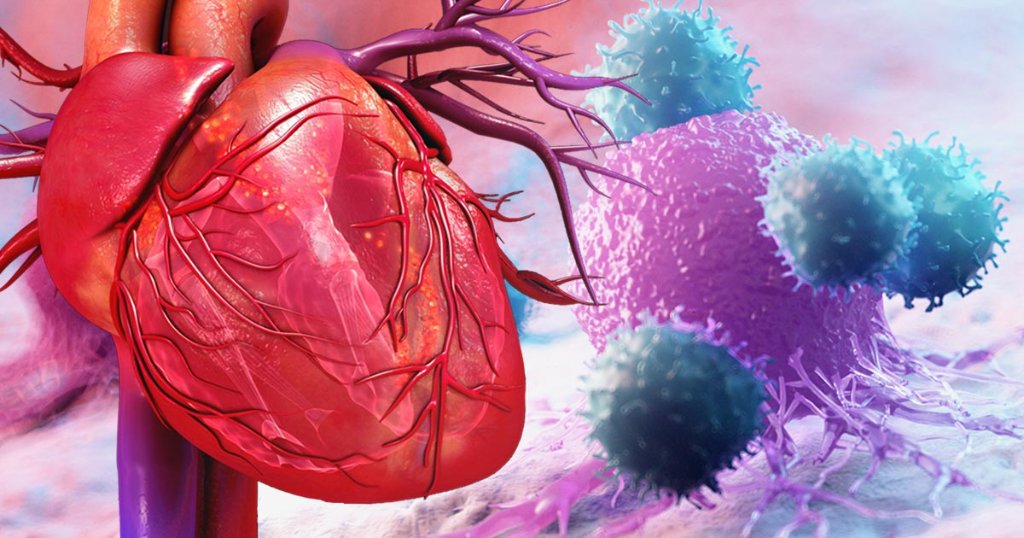
According to the ESC (2022) guidelines, cardiotoxicity is now one of the main causes of long-term morbidity in cancer survivors. Anthracyclines (doxorubicin, epirubicin) and anti-HER2 therapies (trastuzumab) are the best-known cardiotoxic agents, but newer drugs such as TKIs and immunotherapy (immune checkpoint inhibitors) are being added to the list with increasing frequency.
Our clinic, equipped with the GE Vivid E95 and the ability to measure GLS (Global Longitudinal Strain), implements cardio-oncology monitoring protocols in line with the latest guidelines. GLS may reveal subclinical myocardial dysfunction before the ejection fraction falls, enabling timely cardiac assessment and intervention.
D. Boukis works closely with oncologists to ensure that the patient receives the best possible cancer treatment without putting their cardiac health at risk. The approach is individualised: each patient is assessed on the basis of the type of chemotherapy, total cumulative dose, cardiovascular risk factors, and baseline cardiac function.
Who Needs Cardio-Oncology Monitoring?
Anthracyclines
Doxorubicin, epirubicin
Anti-HER2
Trastuzumab, pertuzumab
TKIs
Tyrosine kinase inhibitors
Chest Radiotherapy
For lymphomas, breast cancer
Pre-existing Heart Disease
Patients with known cardiac disease
Risk Factors
Hypertension, diabetes, age >60
Monitoring Protocol
1. Before Chemotherapy (Baseline)
Heart triplex with GLS to record initial cardiac function and create reference point.
2. During Chemotherapy
Re-examination with triplex and GLS at regular intervals (every 3 months or according to protocol) for early damage detection.
3. After Chemotherapy
Continuous monitoring for 1-2 years after therapy completion.
Early Intervention
If a relative reduction of GLS greater than 15% from baseline is detected, cardiac assessment and evaluation of the need for cardioprotective therapy are required.
Why is GLS Critical?
Earlier Detection
GLS decreases before ejection fraction, allowing early intervention
Damage Prevention
Avoidance of irreversible cardiac dysfunction
Therapy Continuation
Safe chemotherapy continuation with heart protection